
Specialist hernia consultation
Assessing umbilical and abdominal-wall hernias
A bulge at the navel or along the midline of the abdomen may indicate a gap in the abdominal wall. Some hernias cause little trouble, while others hurt during activity. Dr Adem Dobra examines the size, contents and whether the hernia can be reduced, then explains observation or surgical options.
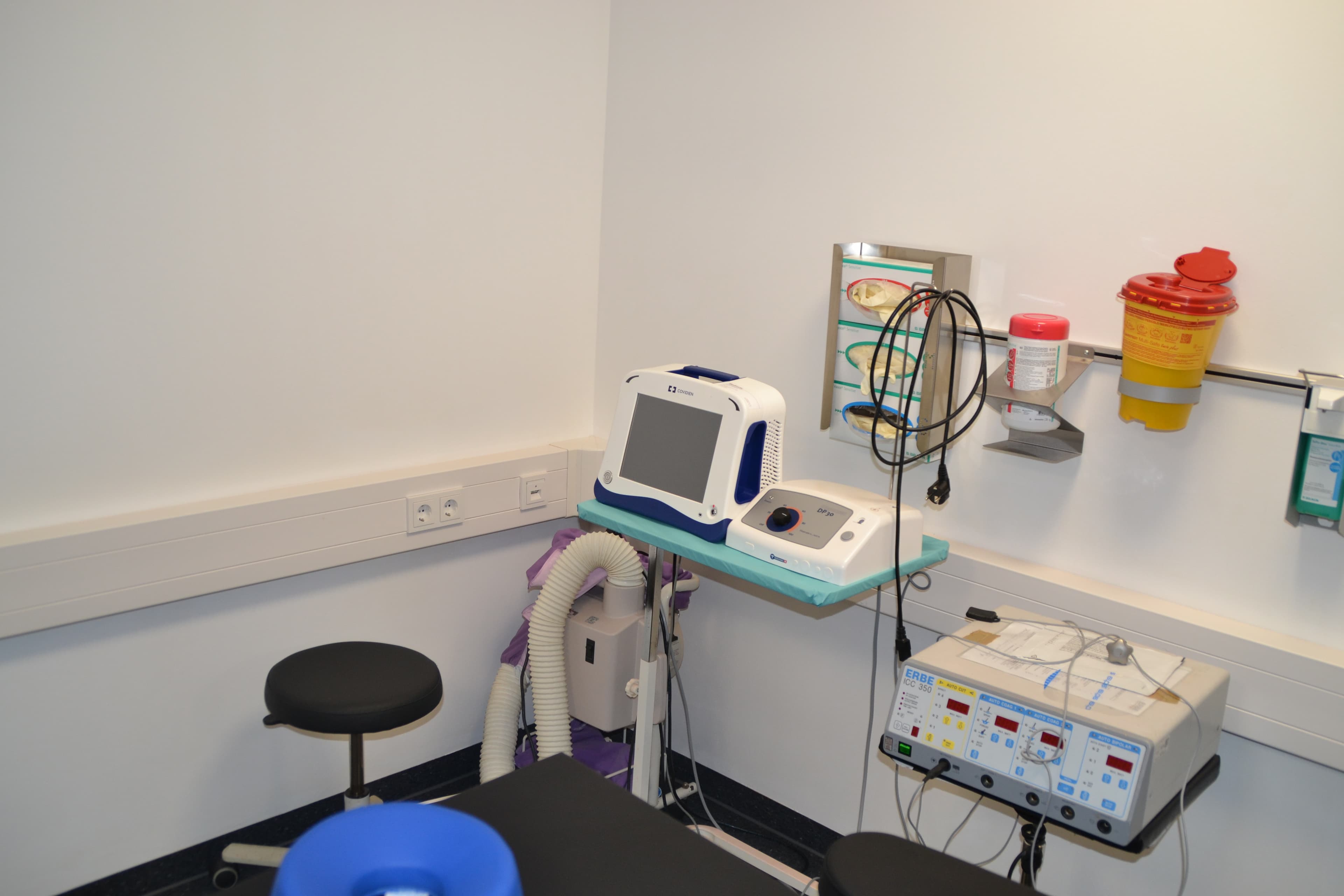
Personal assessment and treatment at Dr Adem Dobra's surgical practice in Bad Wörishofen.
At a glance
- Umbilical, epigastric and other abdominal-wall hernias
- Assessment of size, symptoms and risk of trapping
- Open or minimally invasive planning based on findings
How an abdominal-wall hernia may present
Fat, the abdominal lining or bowel can protrude through a weak point in the abdominal wall. A soft bulge that becomes more visible when coughing, straining or getting up is common.
Pulling, pressure or pain during activity can occur. Not every lump is a hernia, so physical examination comes first. Ultrasound can answer remaining questions.
Observation or surgery
An adult hernia does not close by itself. A small hernia without symptoms may sometimes be observed, depending on personal risk. Pain, growth or limitations make planned repair more likely.
The choice between suture or mesh repair, open or minimally invasive surgery, and outpatient or hospital care depends on size, location, previous surgery, body weight and other health conditions.
Warning signs of a trapped hernia
Sudden severe pain, a firm bulge that no longer goes back in, nausea, vomiting or abdominal swelling may indicate trapping. This requires immediate medical assessment.
Do not force a painful hernia back in. Call 112 or attend an emergency department when emergency symptoms are present.
Good to know
Frequently asked questions
Does every umbilical hernia need surgery?
Not every symptom-free hernia needs immediate repair. Size, symptoms, growth and individual risk determine the plan.
Is mesh always required?
No. The size and position of the defect and personal risk factors guide the recommendation. Suture and mesh options are discussed before surgery.
Can repair be performed as an outpatient procedure?
This may be possible for suitable findings. The operation, anaesthesia, other health conditions and support afterwards determine the safe setting.
This information does not replace a personal examination or diagnosis. Treatment options are discussed individually during the consultation.
Medical sources and further information
Most linked medical sources are available in German.
Next step
Have your individual symptoms assessed in person.
We explain which options may be reasonable for you and what the next steps could involve.
Appointment booking is completed securely on Doctolib.
Related treatment areas
Hernia surgery
Hernia surgery in Bad Wörishofen for inguinal, umbilical, incisional and other abdominal-wall hernias.
Learn more →02Inguinal hernia
Inguinal hernia assessment in Bad Wörishofen with advice on observation, open repair and minimally invasive treatment.
Learn more →03Minimally invasive surgery
Minimally invasive surgery with small access points, camera-assisted techniques and experience in conventional open surgery.
Learn more →