
Care for inflammation in the natal cleft
Treating a pilonidal sinus according to its symptoms and form
A pilonidal sinus usually develops in the cleft between the buttocks when hairs enter the skin and cause inflammation. Small openings may cause no symptoms. Pain, swelling or recurrent discharge suggests a form that needs assessment.
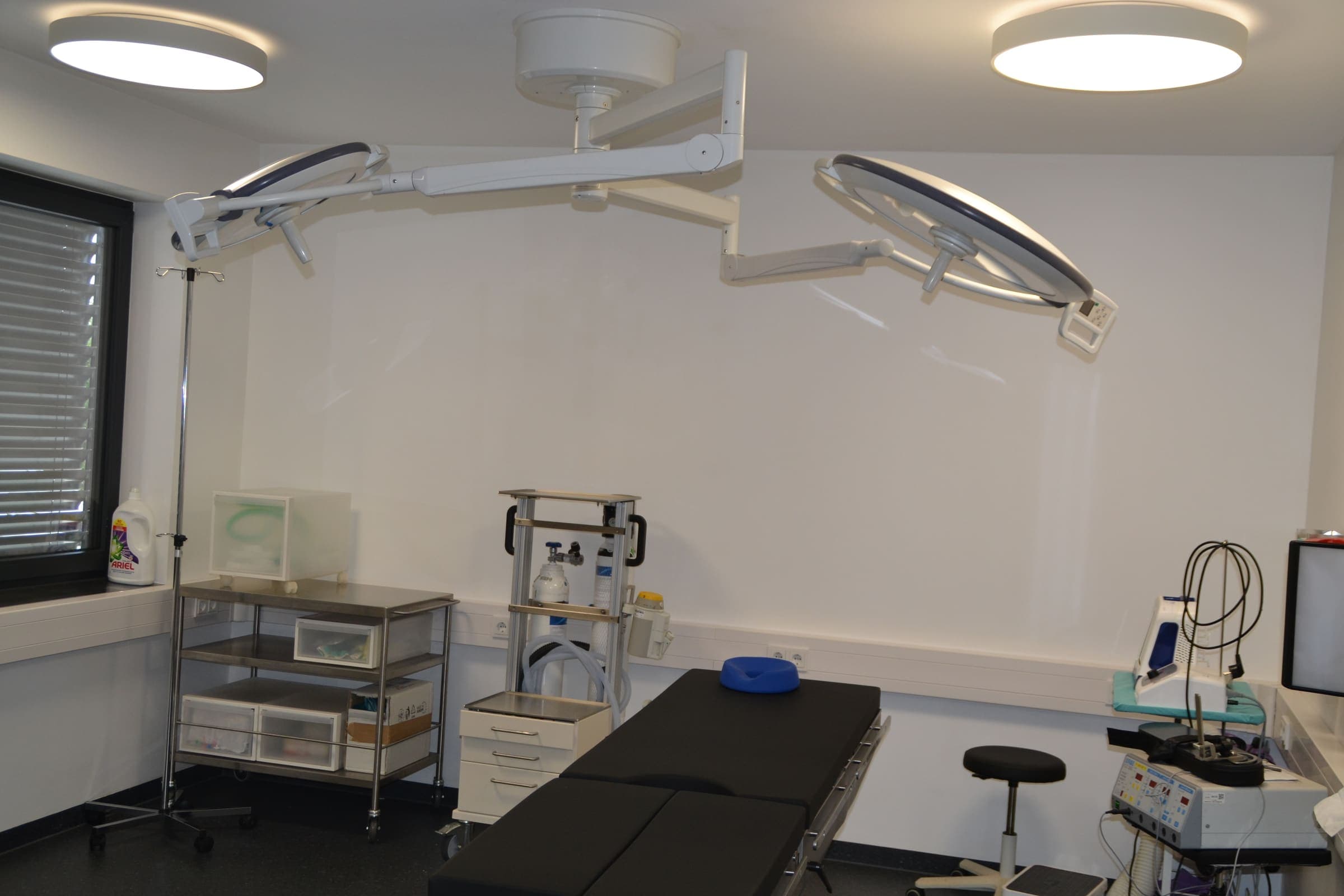
Personal assessment and treatment at Dr Adem Dobra's surgical practice in Bad Wörishofen.
At a glance
- Distinguishing an incidental finding, abscess and chronic disease
- Prompt drainage of a painful collection of pus
- Surgical planning based on extent and previous treatment
Three different forms
A pilonidal sinus without pain or discharge does not require preventive surgery under current guidance. An acute infection can cause a very painful swelling and collection of pus within a short period.
Chronic disease may cause recurrent fluid, blood or pus from small openings in the cleft. The skin can become irritated and sitting uncomfortable.
Assessment and acute treatment
The history and examination of the cleft usually establish the diagnosis. Imaging is rarely needed for a typical presentation.
A painful abscess usually needs prompt opening so the pus can drain. Fever, rapidly worsening pain or spreading redness should be assessed on the same day.
Planning treatment for chronic symptoms
Surgery is considered for a chronically symptomatic pilonidal sinus. The number and location of openings, extent of disease, active inflammation and previous operations guide the choice of procedure.
Healing time, time away from normal activities and recurrence risk differ between methods, so treatment is selected after examination.
Good to know
Frequently asked questions
Does every pilonidal sinus require surgery?
No. A finding without pain, inflammation or discharge does not usually need preventive treatment. Symptoms or an abscess change the recommendation.
Does an abscess need urgent care?
A painful collection of pus should be drained promptly. Seek same-day care if you have fever, rapid deterioration or marked redness.
Can a pilonidal sinus return?
Yes. Extent, treatment method and wound healing influence recurrence risk and should be discussed before surgery.
This information does not replace a personal examination or diagnosis. Treatment options are discussed individually during the consultation.
Medical sources and further information
Most linked medical sources are available in German.
Next step
Have your individual symptoms assessed in person.
We explain which options may be reasonable for you and what the next steps could involve.
Appointment booking is completed securely on Doctolib.
Related treatment areas
General surgery
General surgery in Bad Wörishofen for skin and soft-tissue findings, chronic wounds, ingrown toenails and suitable outpatient procedures.
Learn more →02Proctology
Proctology in Bad Wörishofen for haemorrhoids, skin tags, bleeding, anal fistulas and abscesses.
Learn more →03Anal fistula
Anal fistula care in Bad Wörishofen with private assessment, abscess evaluation and treatment planning based on the fistula tract.
Learn more →