
Proctology assessment and treatment planning
Identifying an anal fistula and protecting sphincter function
An anal fistula is an inflamed tunnel between the anal canal and nearby skin. Recurrent swelling, pain or an opening that drains pus should be assessed. Treatment depends on the route of the fistula and its relationship to the sphincter muscles.
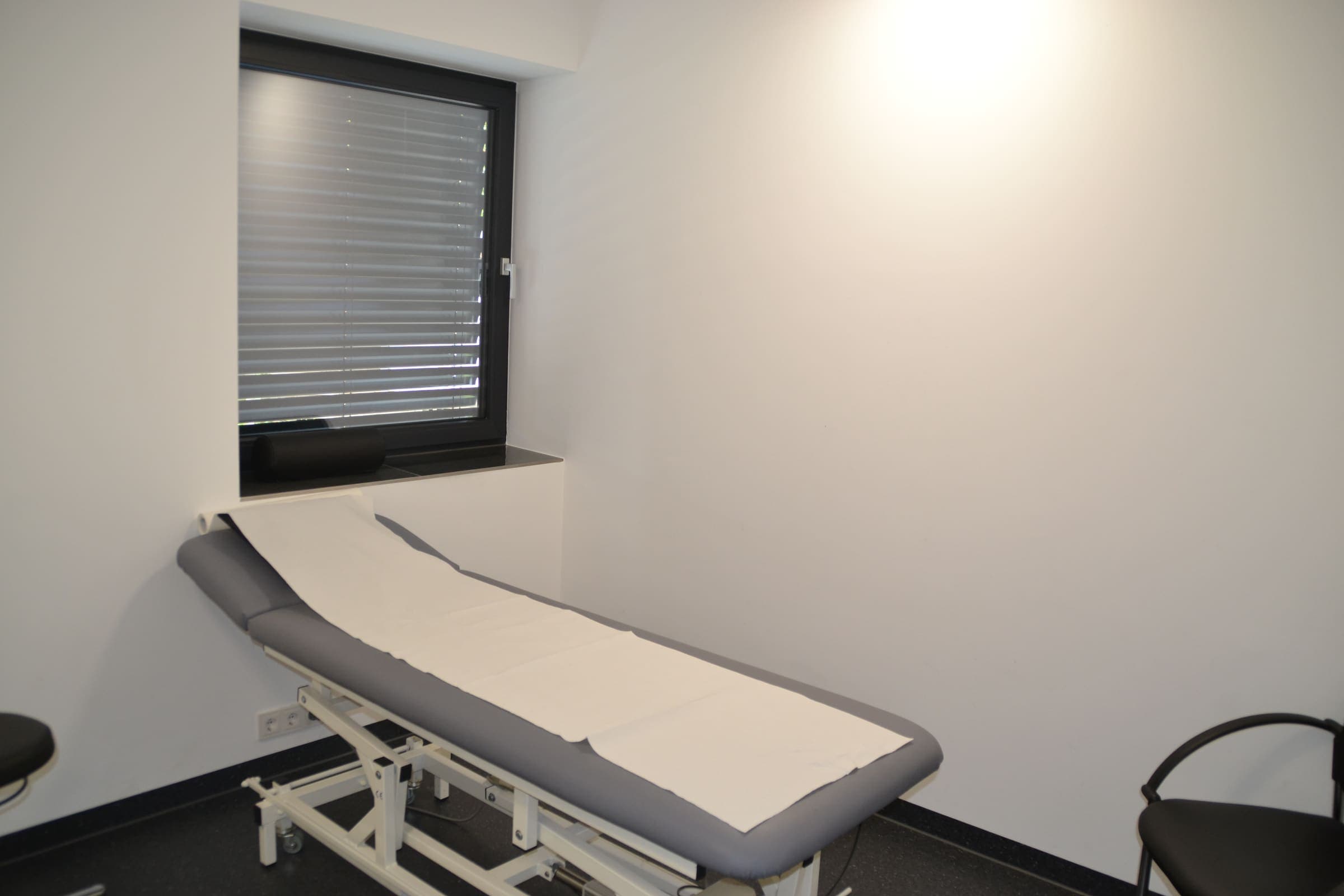
Personal assessment and treatment at Dr Adem Dobra's surgical practice in Bad Wörishofen.
At a glance
- Assessment of discharge, pain and recurrent abscesses
- Treatment planning based on the fistula tract
- Preserving bowel control is a central consideration
How an anal fistula may develop
Many fistulas follow an infection of glands in the anal canal and an anal abscess. After the abscess drains or is opened, a tunnel between the bowel and skin may remain.
Common signs include recurrent discharge, pus or blood, skin irritation and pressure pain. Fever, increasing swelling and severe pain can indicate an acute abscess and need prompt care.
Assessment and classification
Assessment may include inspection, a careful rectal examination and proctoscopy or rectoscopy. Ultrasound or MRI can provide more detail for complex or recurrent fistulas.
The fistula's relationship to the sphincter muscles helps determine which treatment best balances healing with preservation of bowel control.
Treatment adapted to the fistula
Anal fistulas do not usually heal permanently without a procedure. A superficial tract is treated differently from one that crosses more of the sphincter. When an abscess is present, safe drainage of the infection comes first.
The surgeon explains the available procedures, healing prospects, recurrence risk and possible effects on continence before a decision.
Good to know
Frequently asked questions
Is an anal fistula the same as an anal abscess?
No. An abscess is an acute collection of pus. A fistula is a tunnel that can remain after an infection or abscess.
Does an anal fistula require surgery?
Permanent healing usually requires a procedure. The fistula tract, sphincter involvement and previous treatment determine the suitable method.
When do I need urgent medical help?
Severe increasing pain, fever, chills or rapidly increasing swelling can indicate an abscess and should be assessed promptly.
This information does not replace a personal examination or diagnosis. Treatment options are discussed individually during the consultation.
Medical sources and further information
Most linked medical sources are available in German.
Next step
Have your individual symptoms assessed in person.
We explain which options may be reasonable for you and what the next steps could involve.
Appointment booking is completed securely on Doctolib.
Related treatment areas
Proctology
Proctology in Bad Wörishofen for haemorrhoids, skin tags, bleeding, anal fistulas and abscesses.
Learn more →02Anal fissure
Anal fissure assessment and treatment in Bad Wörishofen, including conservative care and planning for persistent symptoms.
Learn more →03Pilonidal sinus
Pilonidal sinus assessment in Bad Wörishofen, including care for acute abscesses and chronic discharge.
Learn more →