
Private proctology consultation
Assessing pain during bowel movements and treating an anal fissure
An anal fissure is a painful tear in the skin of the anal canal. Sharp pain during a bowel movement, burning that continues afterwards and bright-red blood on toilet paper are common signs. Dr Adem Dobra examines the cause privately and explains a stepwise treatment plan.
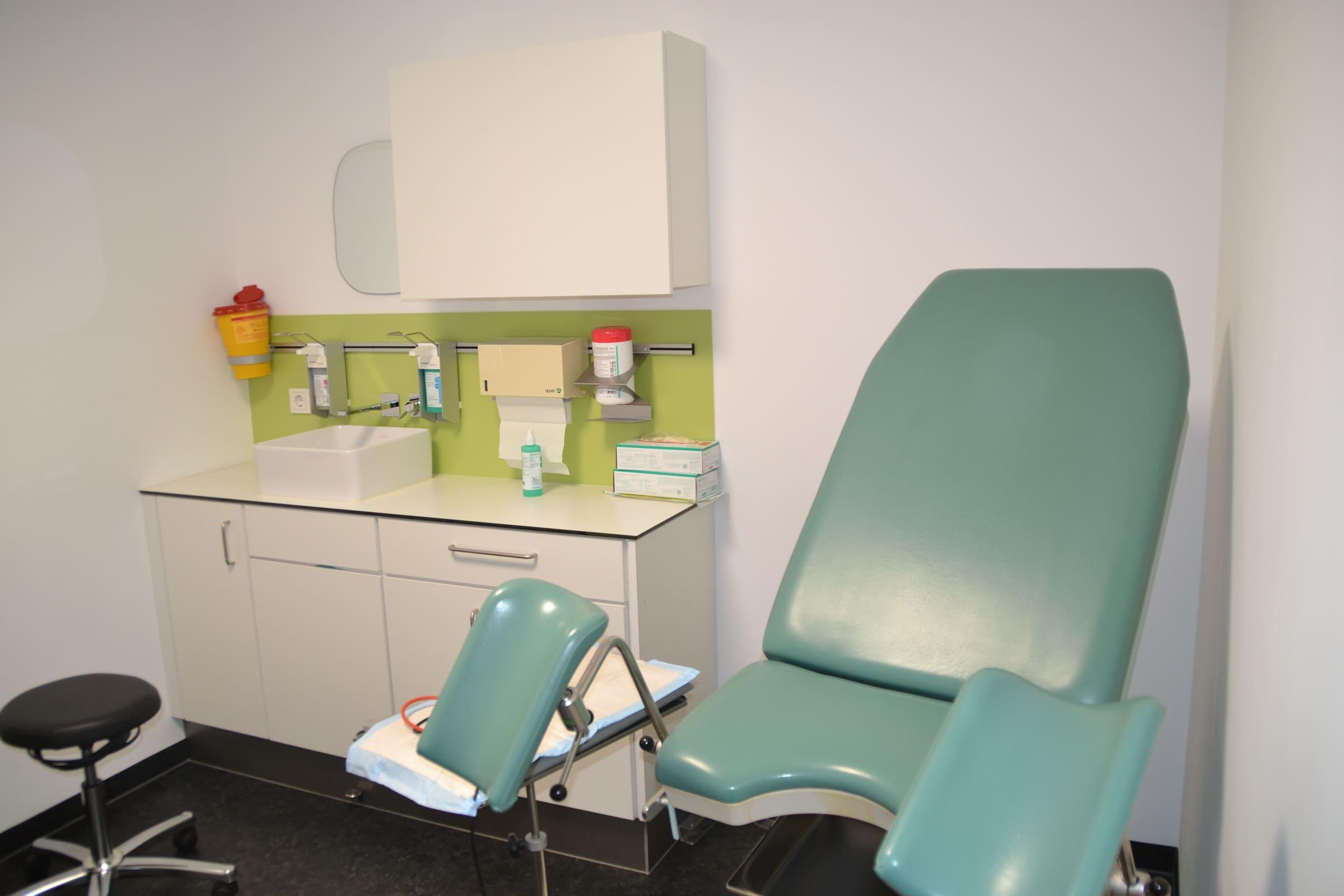
Personal assessment and treatment at Dr Adem Dobra's surgical practice in Bad Wörishofen.
At a glance
- Private assessment of pain and bleeding
- Stepwise treatment based on duration and findings
- Clear advice about stool regulation and follow-up
Common symptoms and causes
An acute fissure often follows hard stool or straining. Pain can make the sphincter tighten, reduce blood flow to the wound and make healing more difficult.
Pain and bleeding around the anus can have other causes. An examination is important when symptoms persist, return or have not been explained.
Examination and conservative care
The history and a careful inspection often provide the main clues. Further tests depend on the symptoms, age and findings, and the examination is adapted when pain is severe.
Initial care usually focuses on soft, regular stool, adequate fluids and suitable local treatment. The examination determines which ointment or additional measure may be appropriate.
When a procedure may be discussed
If a chronic fissure does not heal despite consistent conservative treatment, further options may be considered. Previous treatment, the examination and sphincter function guide the decision.
Heavy or persistent bleeding, fever, painful swelling or rapid deterioration requires prompt medical assessment.
Good to know
Frequently asked questions
Is bright-red bleeding always caused by a fissure?
No. Haemorrhoids, inflammation and other conditions can also cause bleeding. Recurrent or unexplained bleeding should be assessed.
Can an anal fissure heal without surgery?
Many acute fissures heal with stool regulation and suitable local care. Persistent or recurrent symptoms need an individual treatment plan.
How can I make bowel movements easier?
Adequate fluids, tolerated dietary fibre and avoiding straining may help. Medication to regulate stool should suit your personal situation.
This information does not replace a personal examination or diagnosis. Treatment options are discussed individually during the consultation.
Medical sources and further information
Most linked medical sources are available in German.
Next step
Have your individual symptoms assessed in person.
We explain which options may be reasonable for you and what the next steps could involve.
Appointment booking is completed securely on Doctolib.
Related treatment areas
Proctology
Proctology in Bad Wörishofen for haemorrhoids, skin tags, bleeding, anal fistulas and abscesses.
Learn more →02Haemorrhoids
Confidential haemorrhoid assessment in Bad Wörishofen for bleeding, itching, burning and pressure symptoms.
Learn more →03Anal fistula
Anal fistula care in Bad Wörishofen with private assessment, abscess evaluation and treatment planning based on the fistula tract.
Learn more →