
Individual osteoarthritis care
Putting hyaluronic acid knee injections into evidence-based context
Hyaluronic acid injection into the knee is offered as a possible symptom-focused treatment for osteoarthritis. The evidence is contradictory and routine use is not recommended. We therefore discuss openly whether it should be considered in your situation and which alternatives exist.
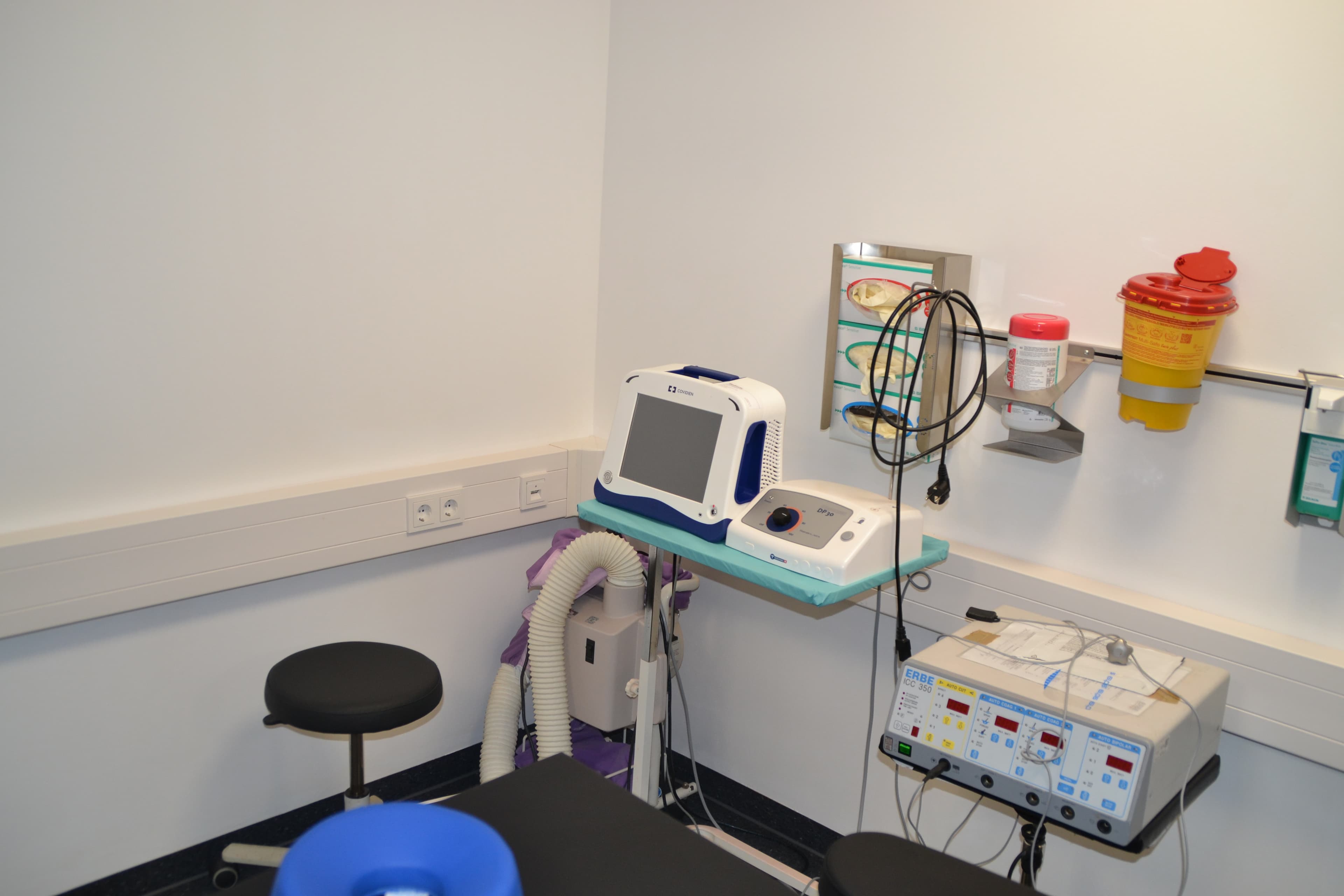
Personal assessment and treatment at Dr Adem Dobra's surgical practice in Bad Wörishofen.
At a glance
- No claim of cartilage regeneration
- Contradictory evidence explained clearly
- Sterile injection only after examination
What the injection may and may not do
Hyaluronic acid is a component of joint fluid. Injection aims to influence lubrication and cushioning. It does not regrow worn cartilage or remove the cause of osteoarthritis.
Research results are inconsistent. Any improvement in pain or function may be limited, so benefit, cost, risks and better-supported options need to be weighed carefully.
Assessment and alternatives
Symptoms, movement, swelling, stability and existing imaging are reviewed first. Exercise therapy, weight reduction where relevant, pain relief, aids and other conservative measures may be more important.
A hot, very swollen joint, fever, infection near the injection site or suspicion of another condition must be investigated before any injection.
Risks, hygiene and costs
Temporary pain, swelling or joint irritation can occur. Joint infection is rare but serious. Increasing pain, marked swelling, warmth or fever after an injection requires immediate medical assessment.
Strict hygiene is essential. German statutory health insurance generally does not cover hyaluronic acid medical products for knee osteoarthritis; expected self-pay costs are explained before a decision.
Good to know
Frequently asked questions
Does hyaluronic acid rebuild cartilage?
No. It does not regenerate worn joint cartilage and is considered only as a symptom-focused option.
Is its effectiveness clearly proven?
No. The current German S3 guideline describes contradictory evidence and gives no recommendation for or against its use. Routine use is not recommended.
Will health insurance cover it?
German statutory insurance generally does not cover treatment with hyaluronic acid medical products. Costs and alternatives are explained first.
This information does not replace a personal examination or diagnosis. Treatment options are discussed individually during the consultation.
Medical sources and further information
Most linked medical sources are available in German.
Next step
Have your individual symptoms assessed in person.
We explain which options may be reasonable for you and what the next steps could involve.
Appointment booking is completed securely on Doctolib.
Related treatment areas
Shockwave therapy
Shockwave therapy in Bad Wörishofen for selected heel, shoulder, tendon and trigger-point conditions after medical assessment.
Learn more →02General surgery
General surgery in Bad Wörishofen for skin and soft-tissue findings, chronic wounds, ingrown toenails and suitable outpatient procedures.
Learn more →03Minimally invasive surgery
Minimally invasive surgery with small access points, camera-assisted techniques and experience in conventional open surgery.
Learn more →